Copyright © 2026 LOOP All Rights Reserved.
Onboarding New Employees the First Year
Course Description
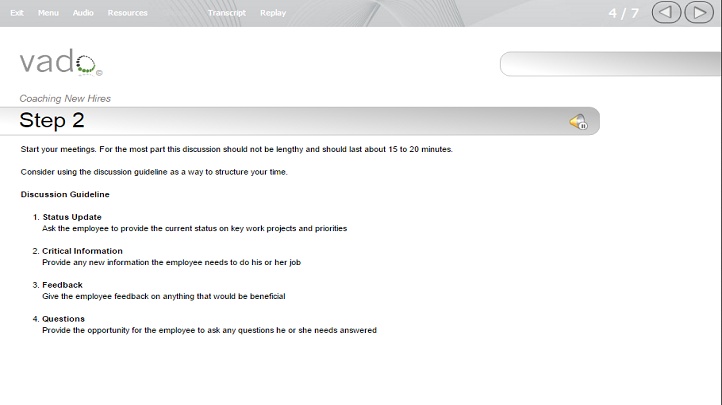
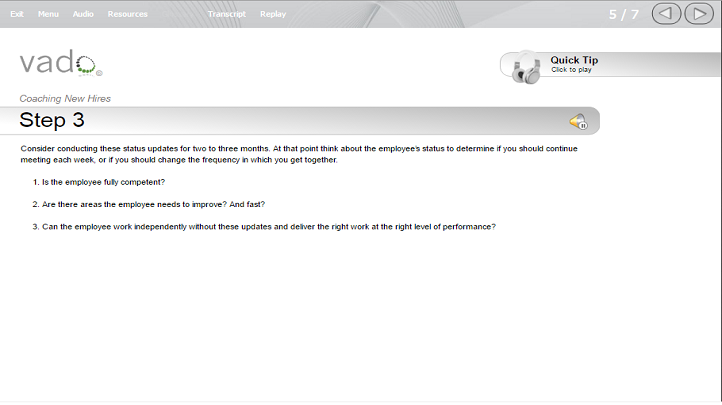
Learn the tips and tricks to manage a new hire's first year in the organization. This course will show managers how to work with new hires during their first year to become fully integrated employees.
Maximize the potential of your new hire in their first year with the organization.
- Develop coaching and informative skills to ensure the new hire understands their scope of work
- Reconnect new hires with their work and achievements while giving ample room to explore and develop
- Receive and provide feedback to new hires from their networks within the company
- Know how to engage new employees into the organization
This course qualifies for PMI Professional Development Units (PDU).
Course Objectives
1. New employees receive coaching & information to ensure the right work is done at the right time
2. New hires have a network of resources for coaching, feedback and skill building
3. New employees are reconnected to the work they must do and achieve
4. New employees receive feedback on what they’ve done so far & learn what they must do in the future
5. New hires explore how they can grow and develop within the company
6. Team members help new hires build a network of people within the company
7. Managers receive feedback from their new hires
8. New hires receive a review of their performance since starting their new job
9. New hires get clear on the work and challenges that lie ahead
Related Courses

Remote Leadership Toolkit: Getting Started: For Business and Project Management
SGD $199.00
Course Description
Telecommuting will soon be the new buzzword in organizational structures. Designed for anyone who manages and leads others remotely, the Remote Leadership Toolkit: Getting Started provides remote leaders the tools they need to be successful leaders, no matter where their employees work in the world. Maximize your influence and leadership skills even from out of the office. - Understanding the uniqueness of a virtual environment and shifting your mindset to fit - Picking up the unique leadership skills needed to lead others remotely and build trust - Learn the skills needed to plan and lead successful virtual meetings - Leave a positive impact on your team This course qualifies for PMI Professional Development Units (PDU) .
Read more...
Learn to lead and manage with the totalView™ Toolkit
SGD $79.95
Course Description
Great interviewers are made not born, said in a different way. If you want recruiters and hiring managers in your organization to make great hiring decisions, they need the totalView™ online e-learning interviewer training! The totalView™ Toolkit teaches the OMNIview patented “Behavior Based Interviewing” approach, which is the most complete interviewing process in the world. Behavior Based Interviewing allows individuals to structure both behavioral interview questions AND the many other critical non-behavioral questions you need to have answered to truly assess a candidate’s “fit”. Interview training is key to making sure you get the right hire and talent for your team! - Know the different types of interview - Learn the proper process flow of conducting an interview - Know how to conduct a proper interview - Learn the etiquette of holding an interview This course qualifies for PMI Professional Development Units (PDU).
Read more...
Conflict Management Skills: For Business & Project Management
SGD $52.95
Course Description
Conflicts are unavoidable at times. This course will help managers build their own conflict management skills, as well as learn how to coach employees to manage conflict with others. Resolve conflict easily with the right skills. - Help employees manage & resolve conflict - Understand expectations and create a conflict management culture for coaching employees - Learn how to handle tricky situations - Have the knowledge of tackling such confrontations This course qualifies for PMI Professional Development Units (PDU) .
Read more...
Content
Coaching New Hires
New Hires Get Coaching From Others
Reconnect Employees to Individual Work
Feedback for New Hires
Exploring Professional Development
New Hires Build a Professional Network
Feedback from New Hires
New Hire Performance Review
Work and Challenges in the Future
Onboarding New Employees the First Year
- Duration 9 hr 0 mins
- Skill level All Levels
- Languages English
- Accreditation PMI:9 PDU Hours
- Tag(s) Communication Business
Convince your boss email
This site is best viewed using the latest versions of Google Chrome, Apple Safari, Mozilla FireFox, Microsoft Internet Explorer 11 and Edge which supports HTML5/Webkit technologies.